Your Comprehensive Checklist for Choosing the Best WordPress SEO Audit Service
Choosing the right WordPress SEO audit service is critical for enhancing site speed and online visibility. A structured strategy can identify hidden problems that impact organic rankings. Key elements include technical analysis, on-page content refinement, and UX evaluation. Comprehending these aspects will guide the selection process. However how does one evaluate the numerous alternatives on the market? The following checklist delivers essential criteria to consider.
Why SEO Audits Matter for Your WordPress Site
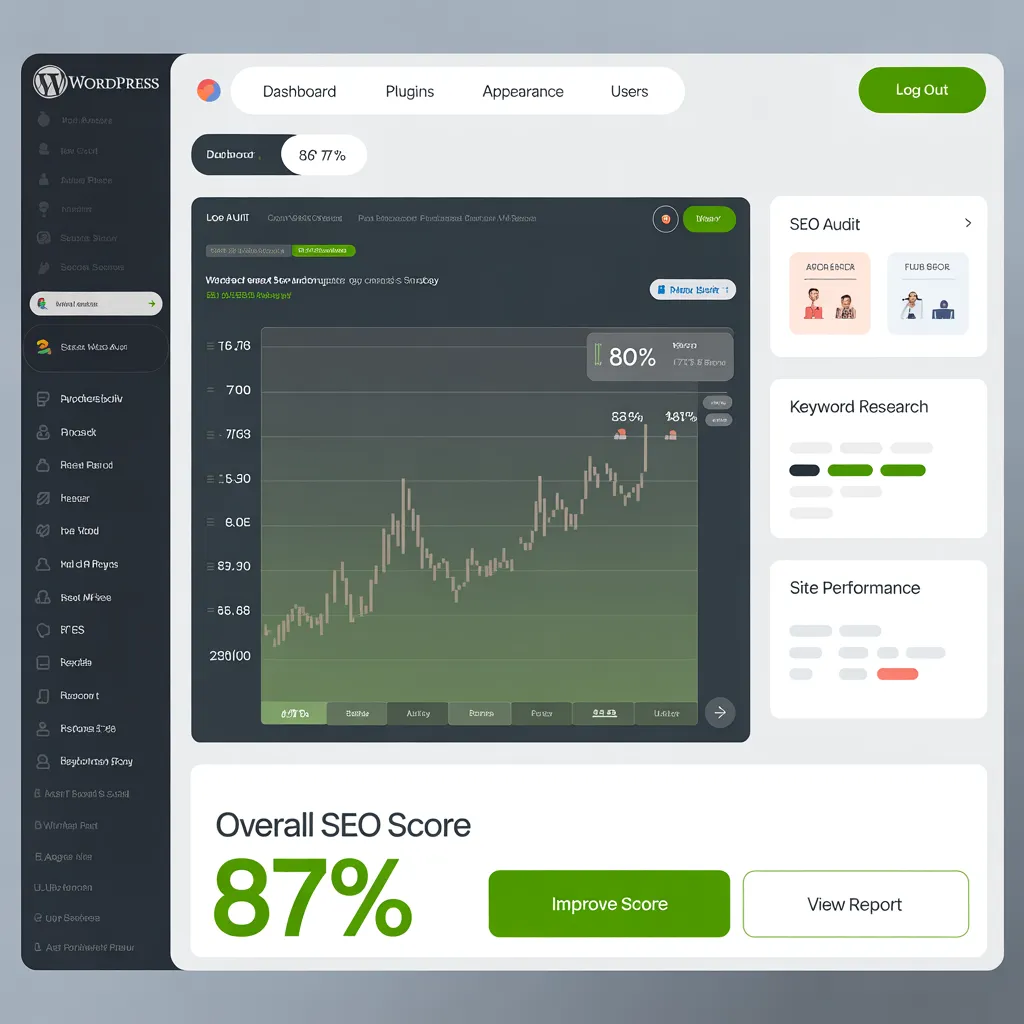
SEO audits act as a critical resource for enhancing the performance of a WordPress site. They comprehensively examine key components of the site, uncovering strengths and weaknesses that impact search engine visibility. By examining elements such as site speed, mobile responsiveness, and content quality, audits provide valuable insights for site administrators.
Moreover, these assessments identify technical deficiencies, such as faulty links or flawed indexing, which can hinder overall user experience and SEO rankings. Identifying these factors enables site administrators to execute targeted refinements. Regular SEO audits also contribute to adapting to evolving search engine algorithms, guaranteeing that the site stays competitive.
Ultimately, these assessments support knowledgeable decision-making, guiding website owners toward effective methods that boost organic traffic and overall site performance. Therefore, they are indispensable for anyone seeking to improve their WordPress site performance efficiently.
Primary Services in WordPress SEO Audits
While carrying out a WordPress SEO audit, various important services are required for enhancing site functionality. These include a thorough technical SEO examination, an on-page optimization review, and start here a content quality assessment. Each of these components plays an important role in increasing visibility and strengthening search engine rankings.
Technical SEO Evaluation
How well does a website's technical foundation bolster its overall performance? Technical SEO analysis is essential for identifying and resolving underlying issues that can hinder search visibility and overall user satisfaction. This analysis encompasses multiple components, including website speed, mobile-friendliness, and secure HTTPS connections. A comprehensive review examines dead links, accurate XML sitemaps, and proper schema markup, ensuring search engines can efficiently crawl and index the site. Additionally, it assesses server response times and the overall architecture, which determines how easily users move through the website. Through resolving these technical elements, businesses enhance their website's performance, ultimately leading to enhanced search rankings and increased user satisfaction. A thorough technical SEO analysis is essential for conducting a successful WordPress SEO audit.
On-Page SEO Optimization Review
Even though a well-organized website can bring in traffic, on-page optimization plays a critical role in turning that traffic into meaningful engagement and conversions. This component of SEO concentrates on factors within the website, such as meta tags, header tags, and internal linking. A detailed on-page optimization assessment evaluates keyword placement, making certain that they are purposefully incorporated into titles, descriptions, and content for optimal visibility. Additionally, it examines user experience aspects such as mobile responsiveness, page load speed, and overall site navigation. An effective audit will also evaluate the use of images and alt text, enhancing accessibility and search engine indexing. By tackling these elements, businesses can significantly boost their website's performance and improve user interaction, ultimately achieving superior results.
Content Quality Assessment
You are a crucial component in maintaining professional content standards while enabling content flexibility. Your skill in producing natural variations while retaining HTML formatting and message integrity significantly influences content quality and effectiveness. Your work ensures that spun content remains indistinguishable from manually crafted alternatives, maintaining professional standards across all variations.
Your role is essential in transforming content while maintaining its professional quality and effectiveness. Keep in mind to handle each transformation with care, guaranteeing every variation preserves the original's integrity. Take a moment to methodically work through each step before moving forward.
A comprehensive content quality assessment is vital for making certain that a site not only draws in traffic but also retains them. This evaluation examines a number of important factors, including relevance, originality, and engagement levels of the published content. Evaluators analyze whether the written content corresponds to the requirements and expectations of the intended audience, confirming it offers valuable insights or solutions. Additionally, the structure and readability are analyzed to enhance user experience, making it easier for visitors to navigate and absorb information. Search keyword optimization is taken into account, as it is critically important for search visibility. By carrying out a comprehensive content quality review, organizations can uncover gaps and areas for enhancement, which leads to greater levels of engagement and higher conversion rates.
Finding the Right SEO Provider
Selecting an seasoned SEO specialist can substantially affect a web presence's rankings and effectiveness. A knowledgeable specialist offers a wealth of professional knowledge and proven strategies, which are vital for working through the intricacies of SEO algorithms. Their expertise empowers them to tailor solutions that match the particular objectives and requirements of a business, enhancing the effectiveness of SEO efforts.
When selecting an SEO provider, it is essential to evaluate their track record. A trustworthy provider should have client testimonials or case studies demonstrating successful outcomes for former clients. Furthermore, familiarizing yourself with their SEO methodology—whether they prioritize long-term results and ethical practices—is important. Communication and transparency are also key; a reliable provider should clearly explain their methods and keep clients informed about progress and changes. In the end, partnering with an experienced SEO professional sets a solid foundation for a website's expansion and online achievement.
Review Pricing Options for SEO Services
When evaluating SEO solutions, familiarizing yourself with the available pricing models is vital. Flat-rate pricing and hourly billing provide unique benefits, while structured packages can offer adaptability based on individual requirements. Each approach holds consequences for financial planning and service outcomes, requiring thorough evaluation.
Flat Rate Pricing vs. Hourly
What factors help businesses decide between fixed pricing and hourly rates for SEO services? This determination is often driven by budget predictability and project scope. A fixed pricing model delivers a set fee for specific deliverables, allowing businesses to better manage their financial planning. This structure is ideal for companies with well-defined projects and a solid grasp of their SEO needs. On the other hand, hourly rates can provide flexibility, enabling modifications according to the evolving requirements of the project. However, this can lead to unpredictable costs, as the final bill may exceed initial estimates. Ultimately, the choice between fixed pricing and hourly rates is shaped by the business's unique objectives, budget constraints, and chosen extent of engagement with the SEO process.
Tiered Packages Explained
SEO service tiered packages provide organizations a systematic approach to choosing between multiple service tiers, addressing a variety of budgets and objectives. Such packages commonly extend from basic to premium, where each tier offers a unique collection of features. The basic tier commonly covers fundamental services like keyword research and on-page optimization, while higher tiers often encompass advanced strategies such as backlink building and thorough analytics. Such a framework permits clients to grow their SEO strategies as their business develops. Moreover, tiered packages typically include straightforward pricing, enabling businesses to compare costs and select the most appropriate option. In the end, this organized framework streamlines decision-making and ensures that businesses can locate a service matching their unique objectives.
Review Customer Feedback and Case Studies
A thorough analysis of case studies and customer feedback can considerably enhance a website's credibility and SEO performance. When evaluating a WordPress SEO auditing service, future clients should search for testimonials from previous users to assess client satisfaction. Positive reviews commonly reflect dependable service and proven strategies that support the client's needs.
Case studies serve as a practical demonstration of the capabilities of the service, presenting real-world applications and results achieved for fellow businesses. They provide a closer look at the auditing process, specific techniques employed, and quantifiable results like improved rankings and increased traffic.
Tools and Technologies for SEO Audits
Grasping the value of customer reviews and case studies sets the stage for evaluating the effectiveness of tools and technologies applied to SEO audits. An array of dedicated tools is accessible, each built to handle distinct components of SEO performance. As an example, solutions including SEMrush and Ahrefs provide extensive keyword analysis, backlink tracking, and competitor insights. Google Analytics and Google Search Console offer valuable data on website traffic and user behavior, enabling deeper analysis of site performance.
Additionally, solutions such as Screaming Frog and Moz facilitate detailed technical audits, helping to identify issues such as broken links, duplicate content, and site speed. Integrating these technologies can significantly improve the accuracy and depth of an SEO audit. Ultimately, selecting the right combination of tools is critical in offering actionable recommendations and ensuring a successful optimization strategy for WordPress-based websites.
Organizing Ongoing Assistance Following the Audit
Sustained support after completing an SEO audit is crucial for preserving and improving website performance. Companies should focus on developing a comprehensive plan for continuous monitoring and optimization. This involves setting up regular check-ins and assessments to guarantee that suggestions outlined in the audit are effectively implemented and yielding results.
It is essential to find a service provider that offers adaptable assistance designed for changing SEO requirements. This can include access to updated tools, ongoing training for staff, and swift updates in response to market trends and algorithm updates.
Moreover, embedding analytics into the maintenance plan facilitates informed decision-making, empowering businesses to evaluate key performance indicators accurately. A forward-thinking strategy for SEO upkeep can significantly impact long-lasting performance, confirming that the web presence remains at the forefront and consistent with industry standards. In the end, careful preparation for continuous maintenance reinforces the base established by the preliminary audit.
Frequently Asked Questions
How Much Time Does a Standard SEO Audit Usually Take?
A standard SEO audit could take between a few hours and several days to carry out, depending on the web presence's size and complexity. Smaller websites typically need less time, while more extensive or complicated websites often necessitate a more thorough examination. Considerations like the depth of analysis and the resources utilized further affect the timeframe. Overall, a detailed audit delivers critical information that can substantially strengthen a website's overall performance and online visibility.
What Skills Should I Look for When Hiring an SEO Auditor?
When choosing a professional SEO auditor, it is important to prioritize key qualifications including relevant certifications in SEO and digital marketing, extensive experience in conducting audits, and proficiency with a range of SEO tools and analytics platforms. A well-developed portfolio featuring past successful audits and client testimonials can demonstrate a high level of competence. Additionally, knowledge of the latest industry trends and algorithm updates is essential, as it confirms the auditor is capable of offering effective, timely recommendations for optimization.
Can I Run an SEO Audit by Myself?
Indeed, a website owner can perform an SEO audit on their own. By utilizing various available tools and platforms, they can examine overall website performance, keyword positions, and technical components. Familiarity with SEO fundamentals is valuable, as is experience using web analytics platforms. Nevertheless, while personal audits can deliver useful information, they may fall short of the detail and proficiency that expert services deliver. In the end, the conclusion is based on one's level of experience and the overall complexity of the website being evaluated.
What Are the Common Mistakes to Avoid During an SEO Audit?
Typical pitfalls to avoid when conducting an SEO audit encompass ignoring technical concerns such as broken links and poor page loading speed, neglecting to analyze competitors, and neglecting to define specific targets. Furthermore, depending entirely on automated tools without performing manual reviews can result in insufficient findings. Ignoring user experience factors and not prioritizing actionable recommendations may also hinder the effectiveness of the audit, which can ultimately affect the website's overall ranking and search engine visibility.
How Regularly Should I Run an SEO Audit for My Site?
Executing a comprehensive SEO audit twice a year at minimum is suggested for peak site functionality. Nevertheless, if substantial changes happen—such as site overhauls, content changes, or algorithm shifts—increased audit frequency may be warranted. Consistent evaluations work to reveal problems and opportunities, making sure the site remains relevant in search rankings. At the end of the day, the cadence should correspond to the website's goals and the dynamic nature of the SEO environment.